

Blog
Discover how Squatex explores, innovates and shares its knowledge on sustainable energies
Light vs. Heavy Rare Earths: What Is the Difference?
Understand the difference between light, medium and heavy rare earth elements, and why these distinctions matter for mining, industry and supply chains.
Critical and strategic minerals: what are the differences?
Critical or strategic minerals: two terms that are often confused, yet distinct. Here are the definitions, the differences, and what it means.
What is the real environmental footprint of nuclear energy?
In a context of global decarbonization, discover why nuclear energy is a pillar of low-carbon energy systems.
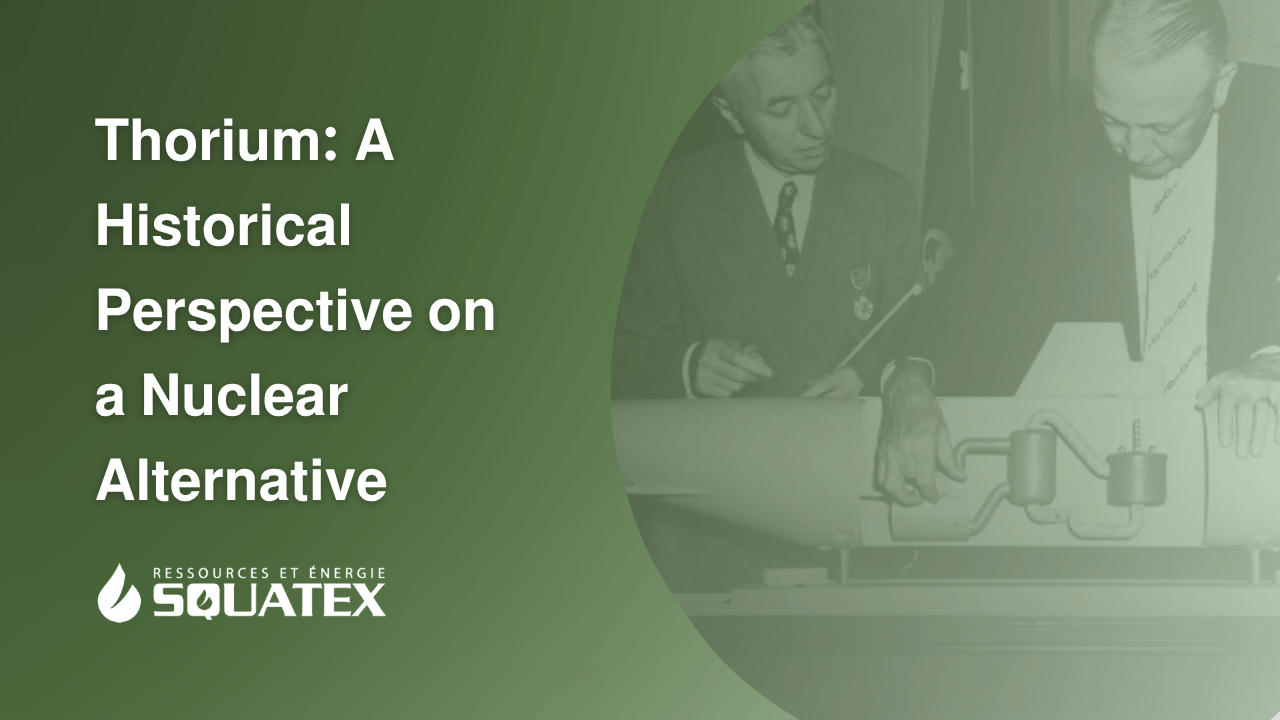
Thorium versus uranium: the history of a technological choice
History, geopolitics, and innovation: understanding why thorium was set aside and why it is drawing renewed interest in advanced reactors.
Thorium : A Natural Byproduct of Rare Earth Extraction
Thorium and rare earths are extracted from the same deposits. Learn why thorium is a natural byproduct of rare earth mining and what it means for the energy transition.
Ilmenite, Rutile, and Leucoxene: How Do the Three Titanium Ores Form?
Ilmenite, rutile, and leucoxene are the primary sources of titanium. Here is their composition, their formation, and what sets them apart.
Titanium: Why Is This Lightweight Metal at the Heart of Advanced Industries?
Titanium combines lightness, strength, and exceptional durability. A strategic metal for aerospace, medical, and clean technology sectors.
Monazite: A Mineral from Sands Containing Thorium and Rare Earth Elements
Monazite is a phosphate extracted from mineral sands that contains thorium and rare earth elements. An overview of what it is and how it is processed.
Mineral Sands: The Hidden Source of Titanium, Rare Earths and Thorium
Ilmenite, rutile, zircon, monazite: mineral sands are the foundation of the titanium, rare earths and thorium essential to the energy transition.
Types of Geological Wells
A geological reservoir is a porous underground formation capable of storing fluids. Understand its key role in energy and the climate transition
SMR, MSR and Thorium: Understanding Next-Generation Nuclear Power
SMR, MSR, thorium: these advanced nuclear technologies are redefining low-carbon energy. What they are, how they work, and why they matter.
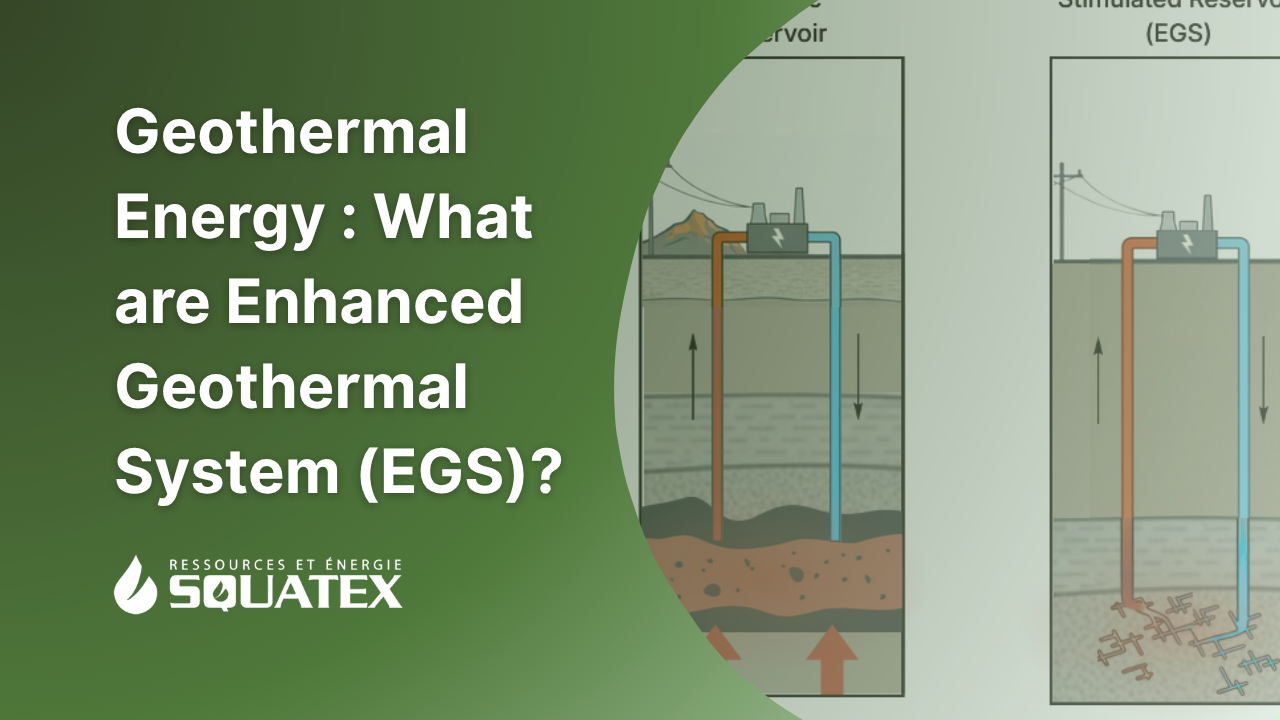
Deep Geothermal Energy (EGS): How Does Enhanced Geothermal Work?
Enhanced geothermal energy (EGS) makes it possible to harness the Earth's heat anywhere, without a natural reservoir. An overview of its principles, potential, and concrete projects.
Geothermal Brine: How a Single Resource Can Serve Two Energy Goals?
A geothermal brine can simultaneously produce energy and supply critical minerals. A dual-value model for the energy transition.
Natural Helium and Hydrogen: Why Are These Two Resources Often Found Together Underground?
The co-occurrence of helium and natural hydrogen opens the way for integrated exploration strategies and new energy opportunities.
How does helium form beneath the Earth's surface?
The helium extracted from the ground is the result of millions of years of radioactive decay of uranium and thorium. Here is how this process works.
Why Does Artificial Intelligence Depend on Critical Minerals?
Discover why AI relies on essential mining resources such as copper, gallium, and rare earths, from chips to data centers.
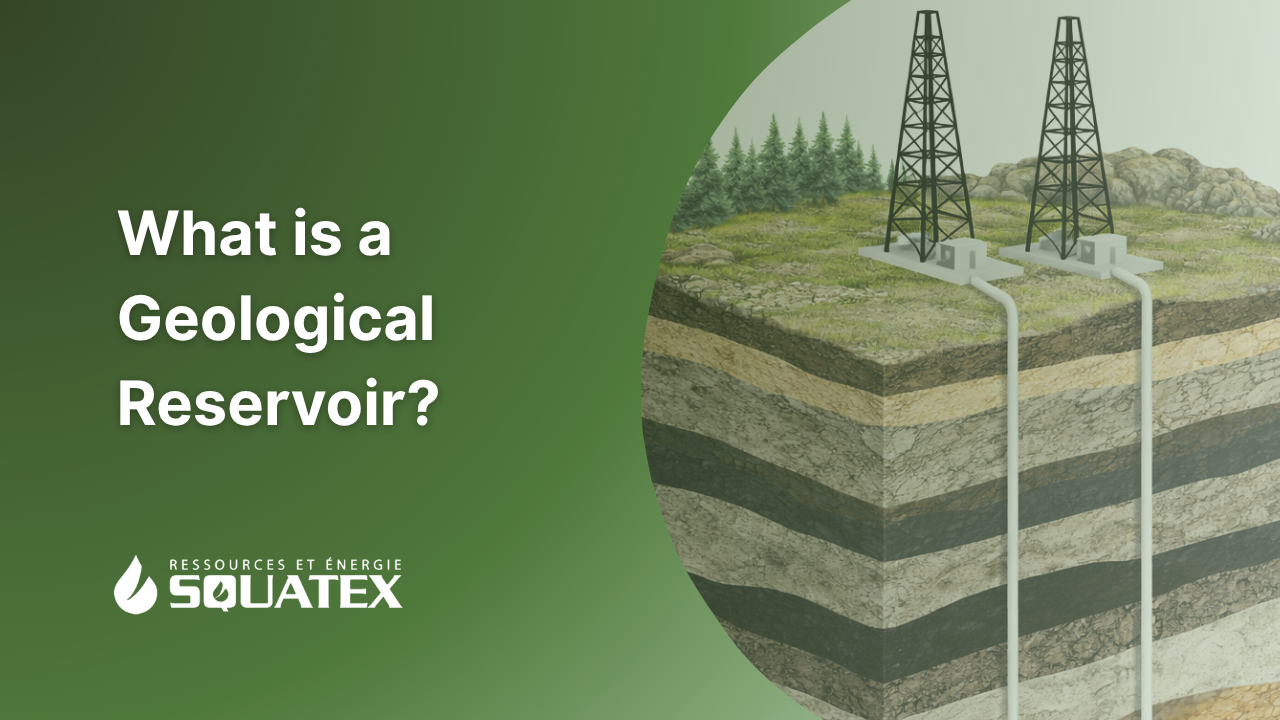
What is a Geological Reservoir?
A geological reservoir stores fluids, heat, or gases underground. A key concept for understanding geothermal energy, CO₂, and natural hydrogen.
Which industries emit the most CO₂ and how can CCUS help?
Cement, steel, chemicals: heavy industries account for a major share of global CO₂ emissions. CCUS is emerging as one of the key tools for decarbonising them.
Hydrogen and Heavy Transport: A Key Fuel for Decarbonizing Heavy Transport?
Trucks and buses account for a major share of GHG emissions. Hydrogen is emerging as one of the most promising solutions for decarbonizing them.