

Blog
Discover how Squatex explores, innovates and shares its knowledge on sustainable energies
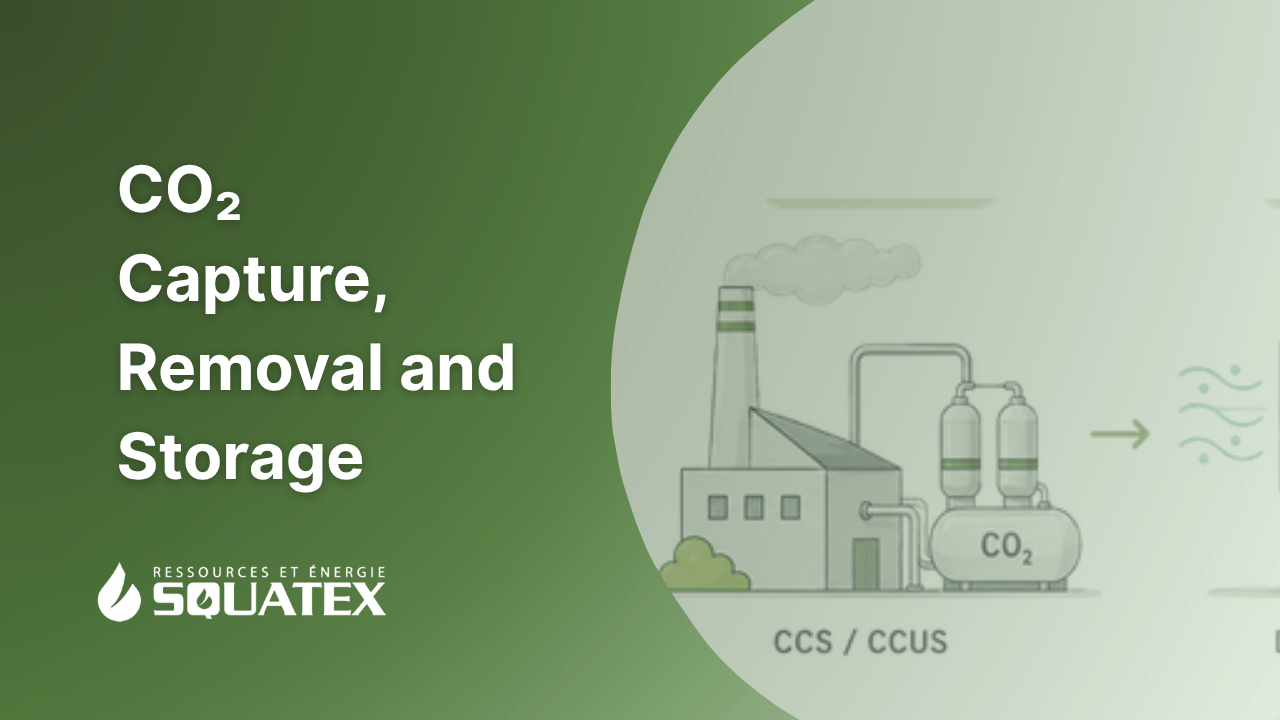
CCS, CCUS, DAC, BECCS, mineral carbonation: what sets these carbon capture technologies apart?
An overview of the main CO₂ management technologies, including CCS, CCUS, DAC, BECCS and mineral carbonation.
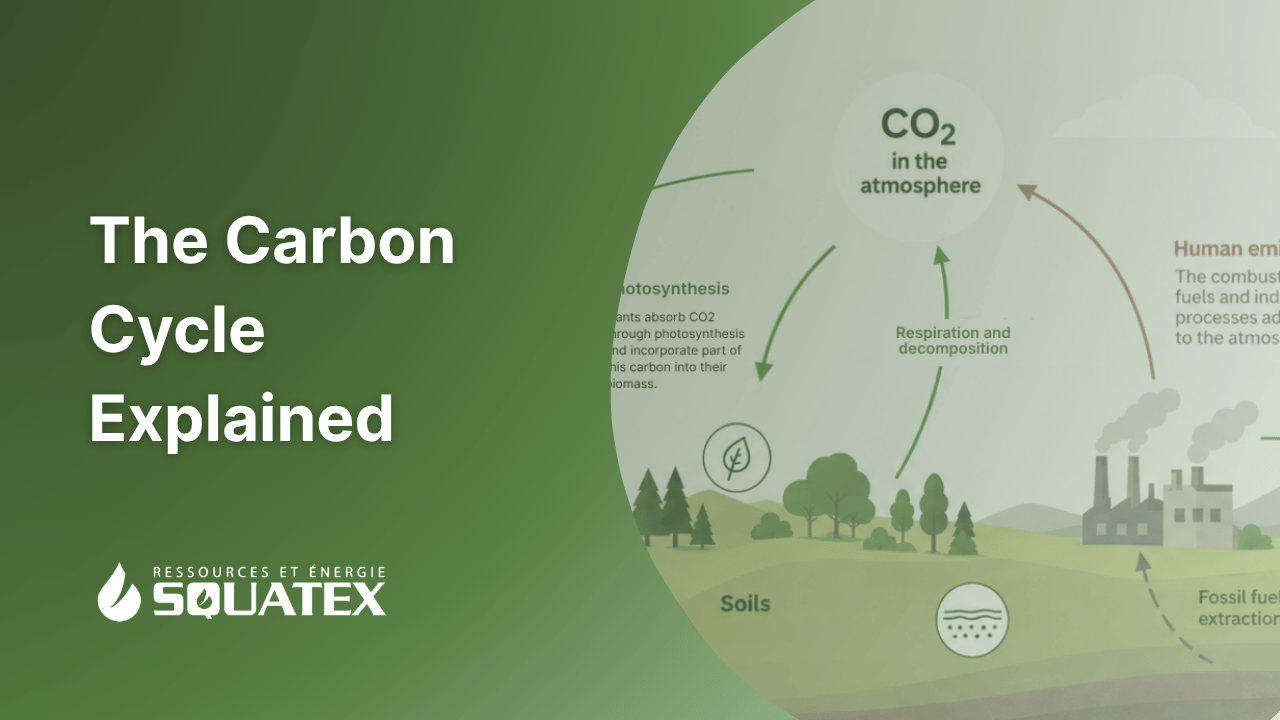
The Carbon Cycle Explained: Reservoirs, Emissions and Disruption
What is the carbon cycle? Learn how it works, how human activities are disrupting its balance and which solutions are being explored.
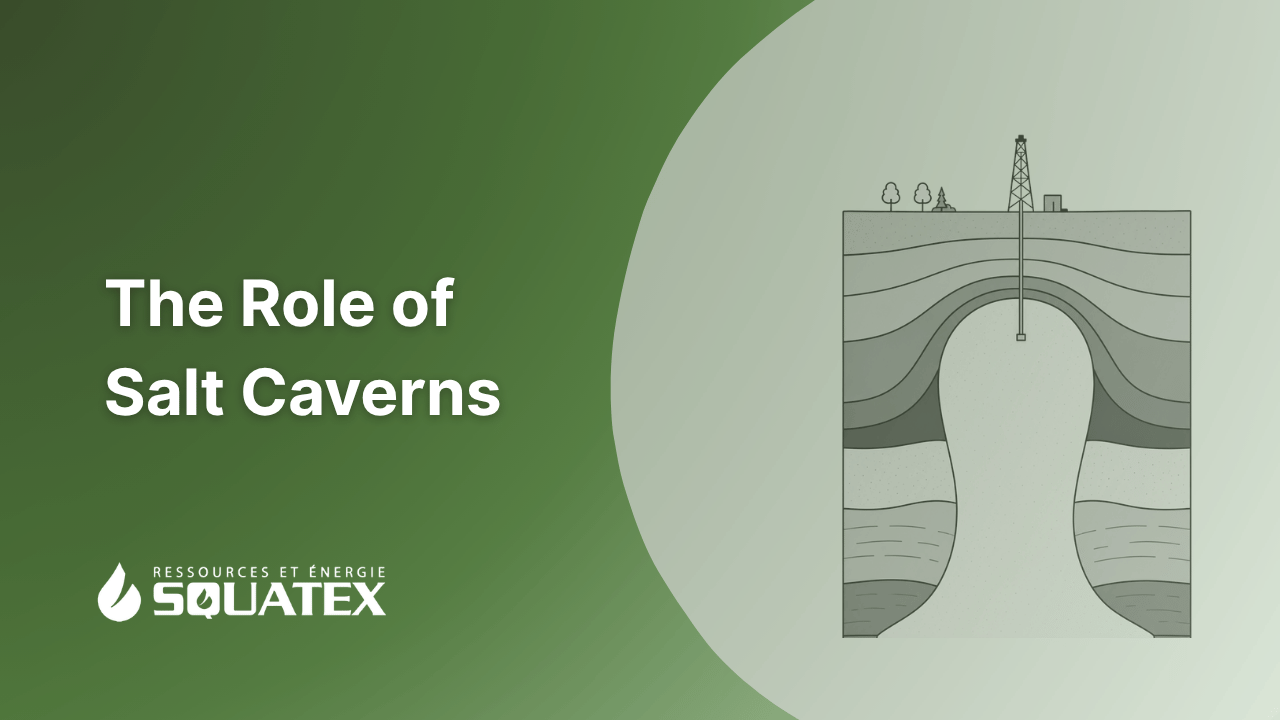
Salt caverns: why is salt a strategic material for energy storage?
Low permeability, creep and self-healing help make rock salt suitable for underground energy storage. Learn how salt caverns work.
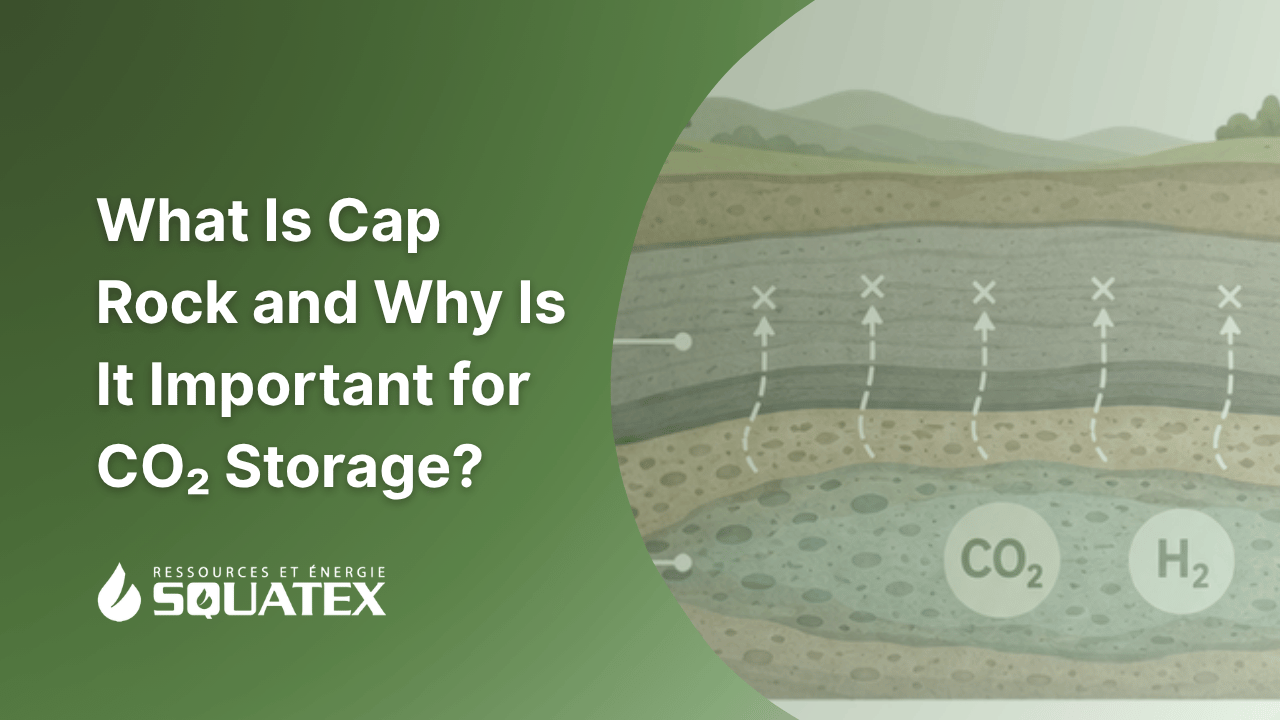
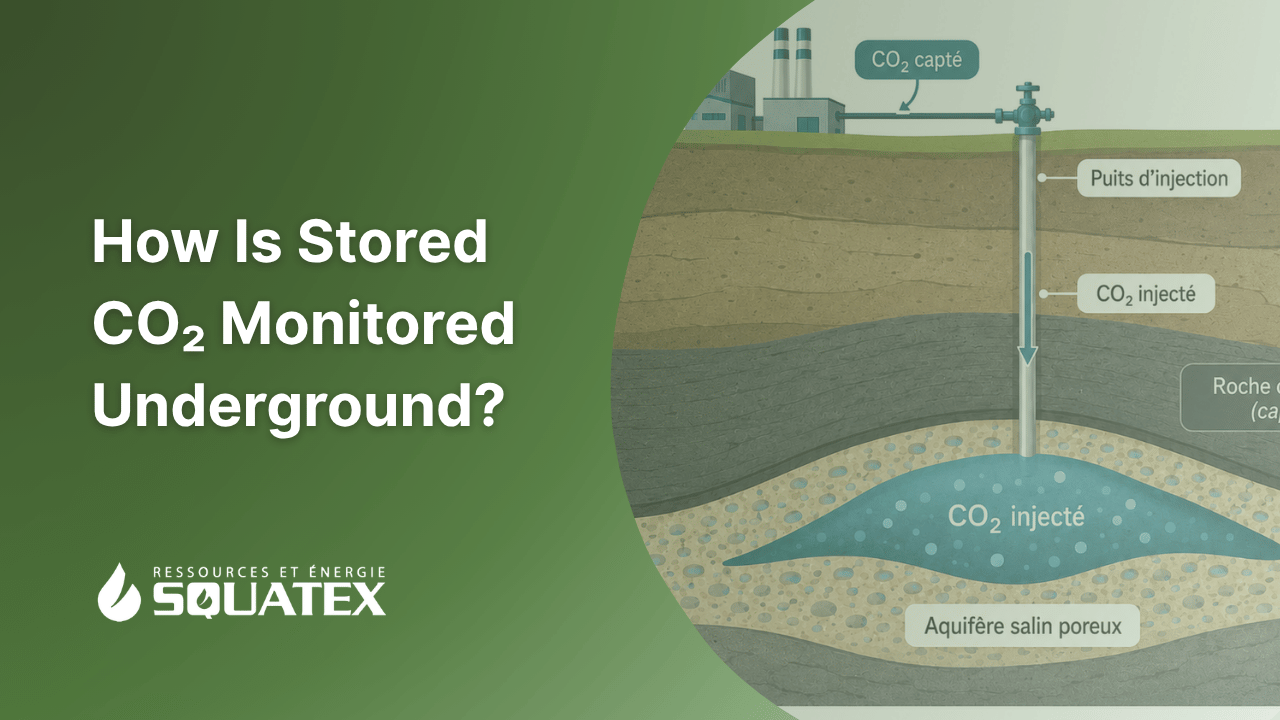
CO₂, the Subsurface, and Surveillance: Understanding Geological Storage Monitoring
A clear overview of how CO₂ storage sites are monitored using seismic data, well sensors, groundwater chemistry and geomechanical tools.
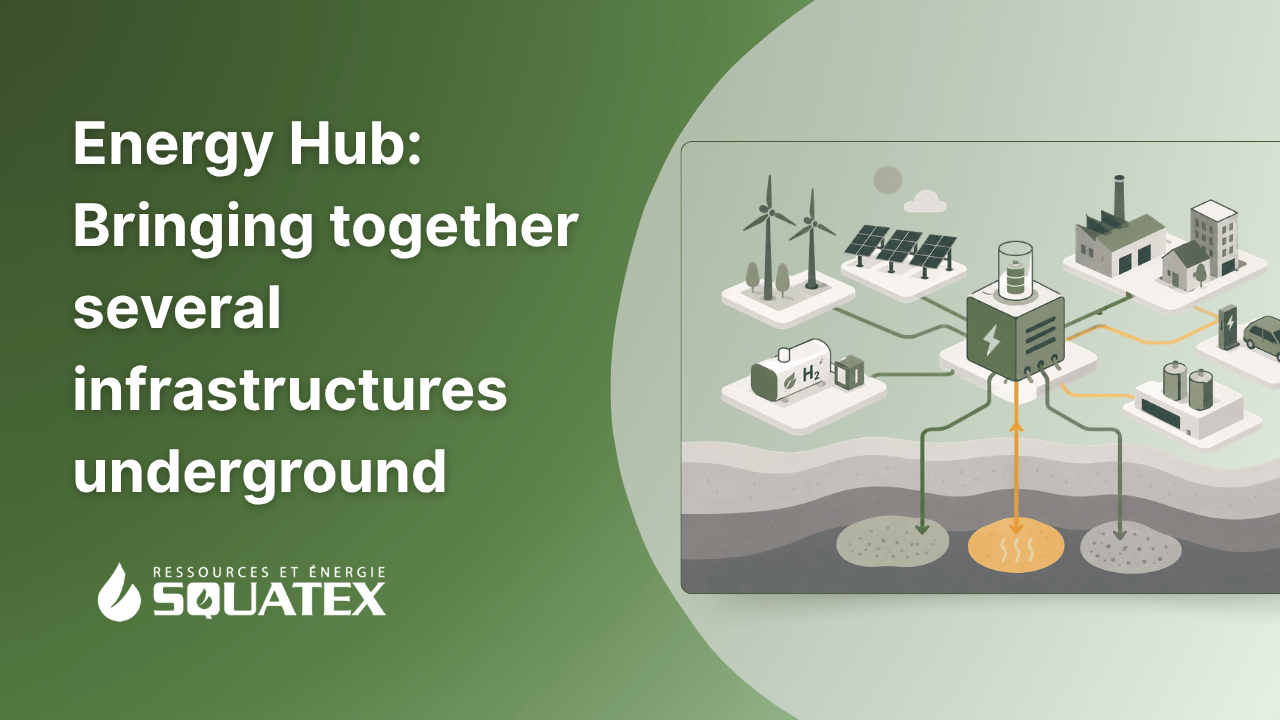
Energy Hubs: How the Subsurface Can Bring Together Geothermal Energy, CO₂ Storage, and Hydrogen
Energy hubs leverage the subsurface to integrate CO₂ storage, geothermal energy, and hydrogen within shared geological formations. Discover how they work and their potential benefits for the energy transition.
BECCS: Bioenergy and Carbon Capture Explained
How can BECCS remove CO₂ from the atmosphere? Explore its principles, key steps, climate potential and role in energy transition scenarios.
CCS or DAC: what is the difference between point-source capture and direct air capture?
CCS and DAC both capture CO₂, but in very different ways. Explore how point-source capture and direct air capture work and why both matter for decarbonization.
Types of Geological Wells
A geological reservoir is a porous underground formation capable of storing fluids. Understand its key role in energy and the climate transition
Carbon-negative materials and CCUS: towards a complementary approach to CO₂ management
Discover how a new enzymatic technology transforms CO₂ into sustainable building materials and why geological storage remains essential to achieving our climate goals.