

Energy Hubs: How the Subsurface Can Bring Together Geothermal Energy, CO₂ Storage, and Hydrogen
The underground is increasingly seen as a multifunctional energy space, one where several uses can coexist within shared geological formations. Geothermal energy, CO₂ storage, and in some cases hydrogen storage or production all rely on similar structures, such as saline aquifers or depleted oil and gas reservoirs. This gradual convergence of uses is one of the foundations behind the concept of an "energy hub."
Within the context of the energy transition, this approach favors a more integrated use of underground capacity, combining several energy functions within shared infrastructure. It allows for better optimization of geological resources while limiting the duplication of installations.
What Is an Energy Hub?
The term "energy hub" first appeared in scientific literature in the mid-2000s, at a time when energy systems were becoming increasingly interconnected and multi-vector. Originally conceived to optimize energy management at the urban or industrial scale, the term is now also used to describe broader architectures, including storage and integration infrastructure at various scales, underground systems included.
A Multi-Input, Multi-Output System
An energy hub (EH) can be understood as a structure in which several forms of energy are handled within a single coordinated system. Electricity, gas, heat, and fuels are converted, stored, and redistributed according to demand, through localized, interconnected infrastructure. This setup typically relies on a set of complementary equipment, such as combined heat and power units, heat pumps, or electrolyzers, which handle the conversions between energy carriers.
The main value of this approach lies in linking these different energy flows within a single operational framework. Rather than operating independently, energy carriers can be coordinated, making it possible to adjust their use according to shifts in demand, production, or resource availability.
This type of setup opens up several possibilities:
Electricity, gas, and heat: Managing electricity, gas, and heat together helps balance loads and smooth out consumption peaks according to the system's constraints [1].
Integration of renewable energy: Renewable sources are easier to integrate, largely thanks to the system's ability to absorb surplus intermittent production and redistribute it later in another energy form.
Waste and emissions: Coordinating the various flows also helps cut losses caused by fragmented management of energy infrastructure [1].
This kind of setup changes the way energy infrastructure is designed. Instead of being conceived as separate networks each dedicated to a single form of energy, they become interconnected systems where multiple technologies coexist and interact within one functional structure.
Components of an Energy Hub
An energy hub is built on an integrated architecture that connects several types of energy resources, conversion technologies, and storage systems. It operates on a simple principle: coordinate varied energy flows to meet multiple needs while optimizing the system's overall performance. This setup links production, transformation, storage, and consumption within one operational framework.
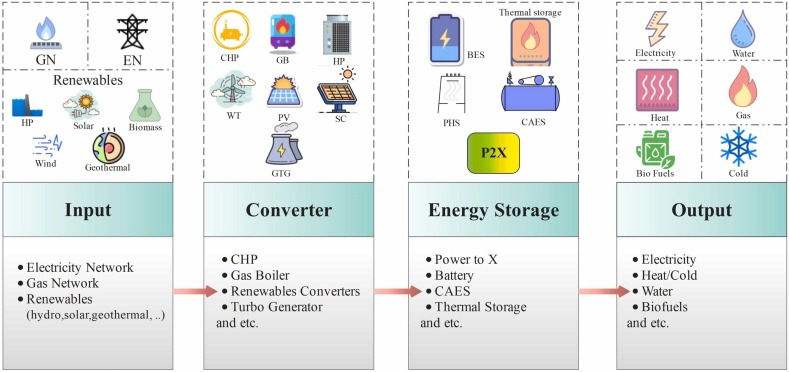
Figure 1. Example of a functional architecture of a multi-energy hub.
1. Inputs: Energy Resources and Available Carriers
Energy hubs can draw on different types of resources, and their availability depends heavily on geographic context and existing infrastructure. In modern systems, input sources are gradually diversifying, particularly with the growing integration of renewable energy and decentralized resources.
The main input categories include:
Electricity and gas networks, which still provide a major share of supply today and help ensure continuity of service within the system.
Renewable energy sources, such as solar, wind, hydropower, or geothermal, which help lower carbon intensity and diversify the energy mix.
Hydrogen, increasingly positioned as a flexible energy carrier capable of linking production, storage, and end uses across the electricity, heat, and mobility sectors.
2. Conversion: Transforming and Coupling Energy Flows
Once brought into the system, the various forms of energy can be converted according to end-user needs. This step is essential, since it gives the hub its flexibility by matching available resources to demand for electricity, heat, cooling, or fuel.
Several technologies play a central role in these conversions:
Combined heat and power (CHP) systems generate electricity and heat simultaneously from the same energy source, improving overall efficiency.
Renewable conversion technologies turn natural flows directly into usable electricity or heat.
Hydrogen-related systems, particularly electrolyzers and fuel cells, act as an interface between electricity and chemical carriers. Electricity can be converted into hydrogen for storage, then converted back into energy when needed.
Heat pumps make efficient use of available thermal energy for heating or cooling purposes.
Integrating these conversion technologies allows energy hubs to function as multi-service systems capable of dynamically adjusting energy flows. This operational flexibility is one of the key factors identified in the literature for improving both the energy efficiency and economic performance of integrated systems [4].
3. Storage: Flexibility and Time-Based Integration
Storage is a structuring element of energy hubs, since it helps manage the gap between production and consumption. By temporarily storing energy in different forms, the system gains flexibility and can better absorb the intermittency of renewable sources.
The main forms of storage include:
electrical storage, mainly through batteries;
thermal storage, in the form of heat or cold;
chemical storage, using hydrogen or other gaseous carriers;
mechanical storage, such as compressed air.
This conversion and storage capacity improves the overall stability of the hub and makes it easier to integrate variable renewable sources. Recent studies show that this flexibility also helps reduce energy losses and optimize the use of existing infrastructure [4].
4. Outputs: Meeting Energy Needs
The last component of an energy hub corresponds to end uses. These include electricity, heat, cooling, hydrogen, and certain fuels, depending on consumer needs and the sectors being served.
One of the main challenges lies in the variability of demand, which can shift significantly over time and across uses. Modern systems therefore aim to optimize energy distribution by combining demand forecasting, smart flow management, and coordination between the different sources.
This approach improves supply reliability while reducing inefficiencies linked to consumption peaks or imbalances between production and demand [4].
CO₂ Storage and Geothermal Energy: A Synergy Within Aquifers
Geothermal Energy as the Backbone of the Hub
Geothermal energy often plays a structuring role in these setups, thanks to its continuous availability and low emission levels. It provides a stable source of heat and, depending on the technology used, electricity as well, making it an important lever for powering other integrated energy processes.
In a coupled system, this energy can support uses such as hydrogen electrolysis or certain CO₂ capture and processing operations.
CO₂ Storage: A Key Stabilizing Function for the Energy System
Geological CO₂ storage is one of the pillars of large-scale decarbonization strategies. Beyond its climate role, this storage function can also be viewed as a full-fledged piece of energy infrastructure. It helps stabilize hard-to-eliminate industrial emissions while integrating into broader energy systems, where CO₂ can be combined with thermal applications or geothermal systems.
Research projects such as BRGM's CO₂-Dissolved explore hybrid configurations in which a single reservoir is used both for carbon storage and heat recovery, illustrating the potential of an integrated approach to the underground [3].
Economic Benefits and Development Outlook
Beyond their technical synergies, geological energy hubs fit into a broader logic of economic optimization for underground infrastructure. The main lever is the pooling of production, conversion, and storage equipment, given that drilling and installation costs make up a substantial share of initial investment. In this context, multi-vector architectures open the door to better valuation of underground assets and lower overall costs across the energy system.
Optimizing Multi-Energy Systems
Recent literature on energy hubs confirms that integrating multiple energy carriers and jointly optimizing operations can significantly improve both the economic and energy performance of these systems.
For instance, incorporating demand-side management programs can cut operating costs by roughly 15.1%, even though investment costs rise as a result of accounting for uncertainty and capacity needs [4].
Beyond the financial angle, these optimized approaches also boost the overall efficiency of the systems. Advanced models show that the operational flexibility of multi-energy systems can cut energy losses by 14.5%, voltage losses by 48%, and thermal fluctuations by 46% [4]. These findings highlight the growing appeal of multi-energy architectures for balancing economic performance with technical efficiency.
This approach can lower both investment and operating costs per unit of energy service, particularly in projects that combine several energy carriers within a single geological formation [4]. It rests on a logic of systemic integration, where infrastructure is no longer dedicated to a single resource but shared across multiple complementary uses.
Follow Squatex on LinkedIn to stay up to date on the latest developments in renewable energy exploration and underground natural resources.
References
[1] Alkano, D. et al. "Multi‑energy systems and energy hubs – A review." Energy, vol. 230, 2021. ScienceDirect, https://www.sciencedirect.com/science/article/abs/pii/S0360319921016256.
[2] "Multi‑Energy System With an Associated Energy Hub: A Review." IEEE Access, vol. 9, 2021, pp. 121 527–121 541. IEEE, https://ieeexplore.ieee.org/document/9523745.
[3] "CO2‑Dissolved – Couplage réussi du stockage de CO2 et de la géothermie." BRGM – Projet achevé, 17 juin 2021. BRGM, https://www.brgm.fr/fr/reference-projet-acheve/co2-dissolved-couplage-reussi-stockage-co2-geothermie.
[4] Hamedani, Erfan Abbasian, et al. "A Mini-Review of Energy Hub: Concept, Components, Classifications, and Applications."Energy Reports, vol. 15, 2026, p. 108886, Elsevier, https://doi.org/10.1016/j.egyr.2025.12.023
